Hermit crabs are fun little creatures that come in many colours and species. But there are some challenges to taking care of them, so here's what you should know before you bring one home.
1. They need damp air to breathe
Land hermit crabs breathe using gills, and gills only work when the air is humid. If the air gets too dry, a hermit crab can slowly suffocate. That's why their home needs to stay warm and moist.
- Mist the tank with a spray bottle (use dechlorinated water) to keep the air damp. Spray the tank and the sand, not straight into the crab's face.
- Keep a lid on the tank so the moisture stays in.
- Give them two water dishes: one with fresh water and one with salt water made for hermit crabs. They drink from both and use them to keep their shells wet inside.
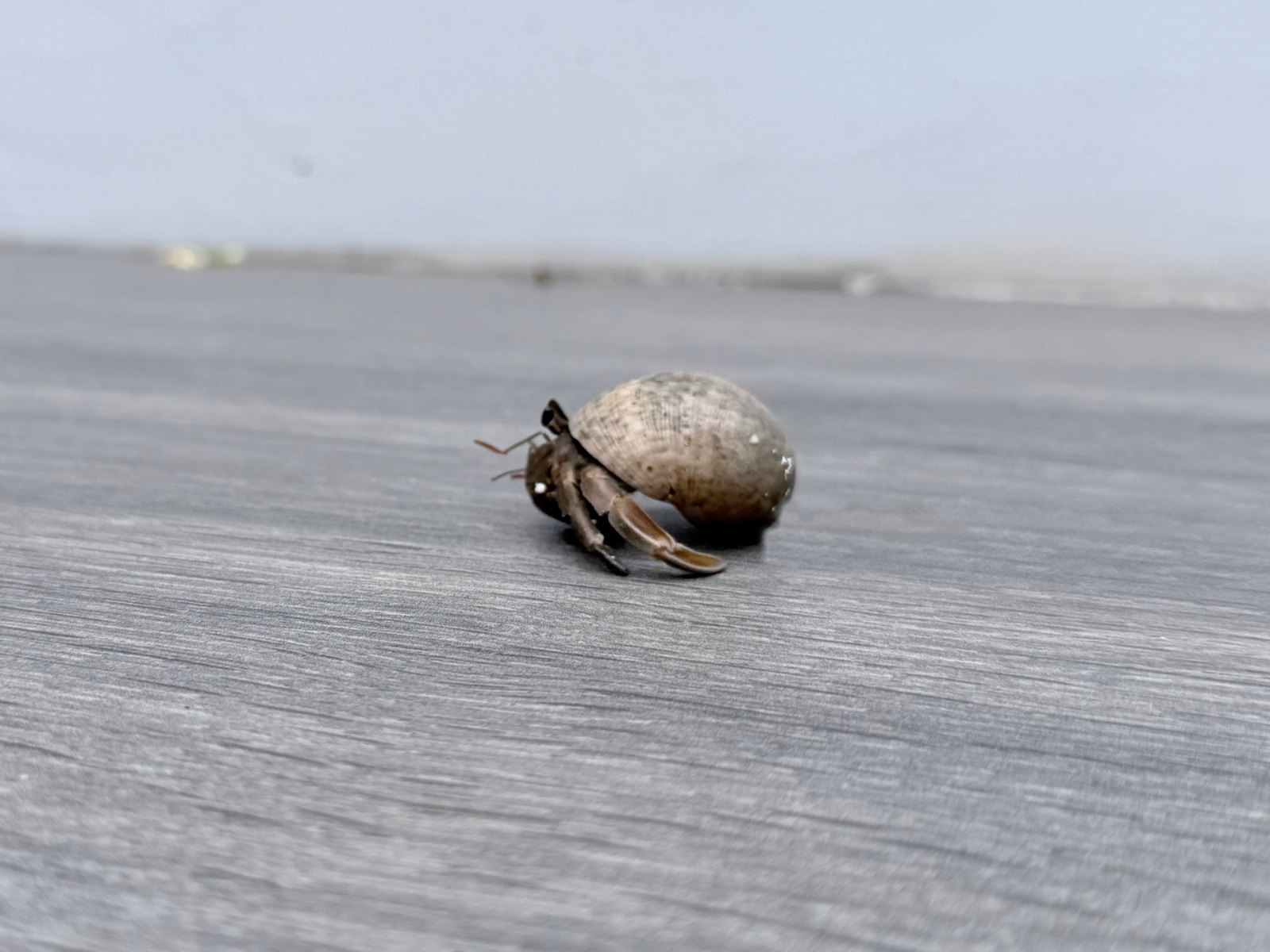
2. Shells are their homes
A hermit crab's body is soft at the back, so it lives inside a borrowed shell. The shell protects it and also helps hold in moisture, which is part of why the damp air matters so much.
As they grow, they move into bigger shells. Always keep a few spare empty, natural shells in the tank, a little bigger than the ones they're wearing now. Skip painted shells, because the paint can flake off and hurt them.
3. What they eat
Hermit crabs are omnivores, which means they eat both plants and meat. But that doesn't mean you can give them anything. A few good choices:
- Fruit: strawberries, banana, mango, apple (no seeds)
- Vegetables: carrot, spinach, sweet potato
- Protein: plain cooked egg or dried shrimp
Avoid salty, spicy or seasoned human food. Wash fruit and veggies well, and take out old food after a day so it doesn't go mouldy.
4. They can live a long time
If they're treated well, hermit crabs can live for 10 to 20 years. That's a big promise, so think of them as a long-term pet, not a short one.
Every so often they moult, which means shedding their old skin to grow. They usually dig down into the sand to do this and stay hidden for a while. Don't dig them up. Just leave them alone until they come back out. That's why they need sand deep enough to bury themselves in.
5. The dark side: shell fights
Here's the part people don't expect. If a hermit crab likes its neighbour's shell, it may try to take it, and sometimes it can even kill the other crab to get it. To keep the peace:
- Don't overcrowd their home. Give each crab plenty of space.
- Put out extra shells in different sizes so nobody has to steal one.
Hermit crabs still like company, though. They're happier living with at least one other crab, as long as there's enough room and enough shells to go around.
Want a hermit crab?
I have hermit crabs at the stall. If you'd like one, send me an order slip at the bottom of this page, and I'll write back with what's available.